The A to Z of Greyhounds
A
Adoption: This one is pretty self-explanatory. There is no singular database, but according to various industry statistics, there are thousands of greyhounds in need of rehoming at any one time in the UK. So if you’re considering a greyhound, adopt! And if you’re unsure, check out all of the reasons to adopt a greyhound.
B
Bitey face: If you’ve ever seen two greyhounds playing, you’ll know what this means. A sophisticated game of “bitey face” may look and sound terrifying, but actually it’s a favoured play style for many dogs.
C
Chatter: Greyhounds sometimes “chatter” their teeth when they’re excited, nervous or happy. It can be a good or a bad sign, depending on the exact situation. Context is key!
Corns: One of the less pleasant items on this list! Unfortunately, some greyhounds are prone to getting corns on their paw pads - small, uncomfortable areas of hardened skin. If your greyhound is limping, check their paws closely!
D
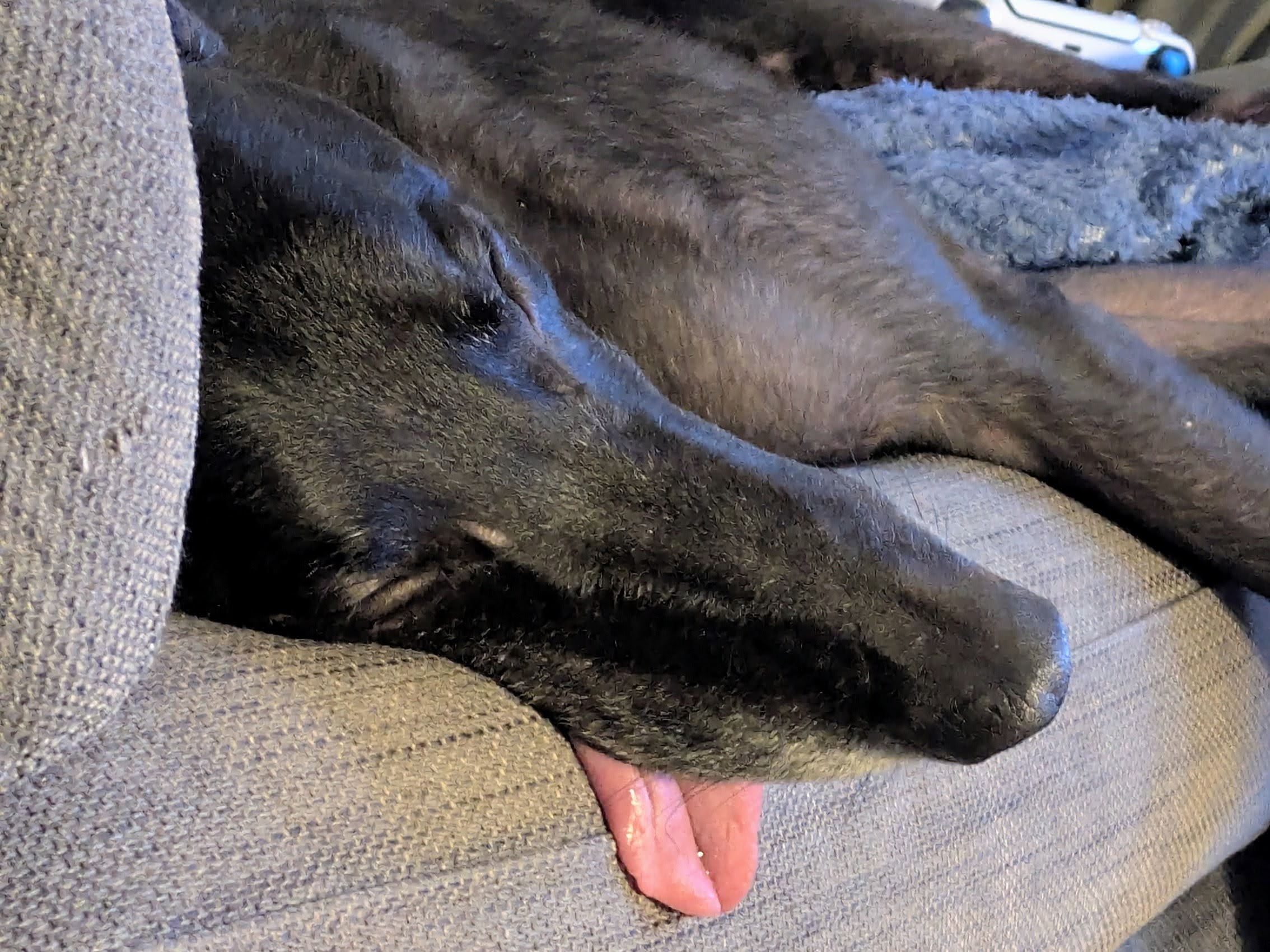
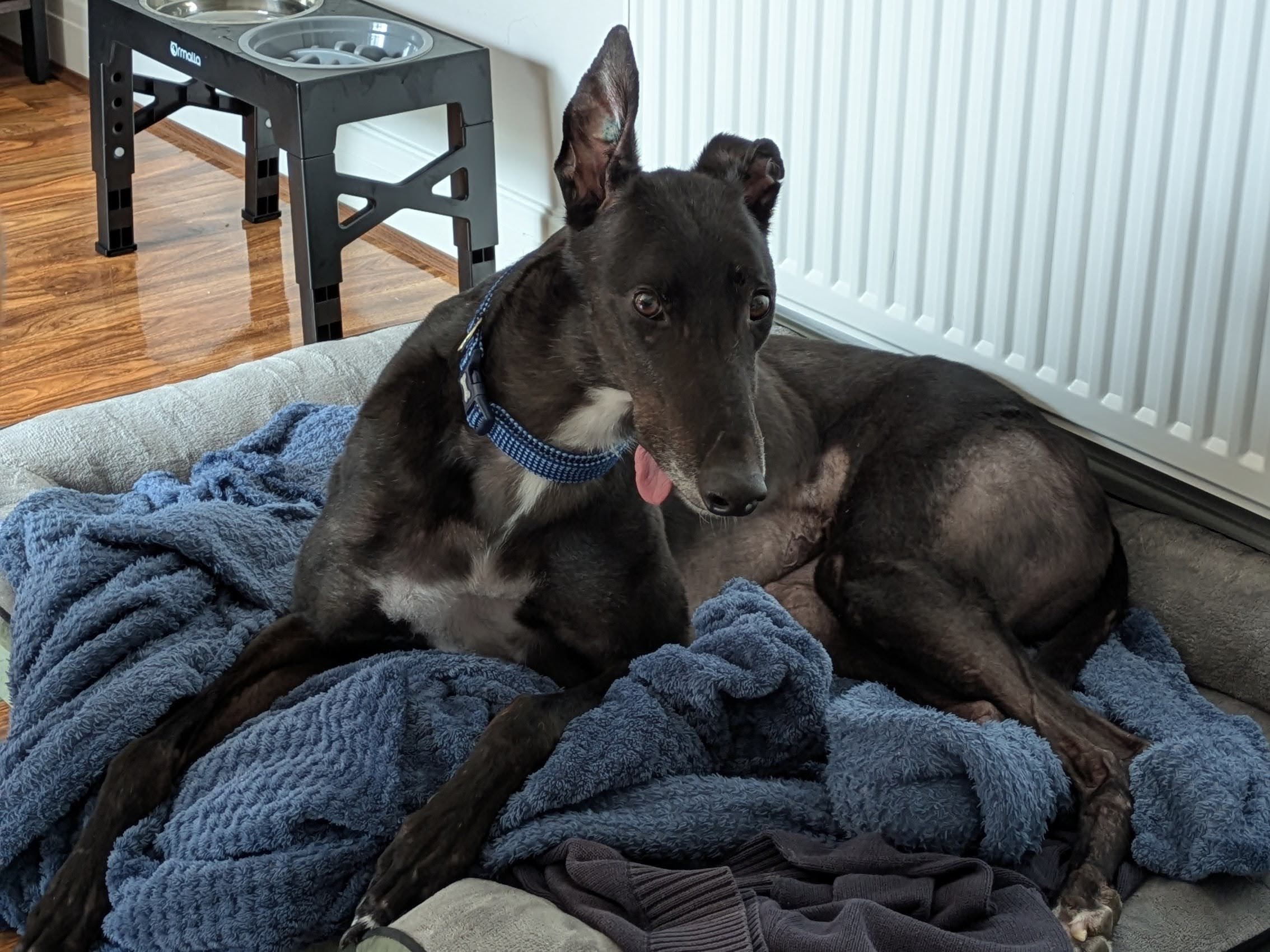
Derp: Well, the D in this list certainly doesn’t stand for “dignified”. When greyhounds are super comfy, or after a good shake, they’re prone to derp-ing. Images sum this up better than words ever could:
E
Ex-racing: The majority of greyhounds that you see in the UK and Ireland are ex-racers. One report indicated that around 16,000 greyhounds are bred each year in Ireland, for the purpose of British and Irish greyhound racing. It’s extremely rare to see greyhound puppies out and about, because greyhounds are kept in the racing industry until an older age, at which point they are typically adopted out and enter “civilian” life.
F
Freeze: If you’re out on a walk and your greyhound suddenly stops and refuses to take a step further, you are likely experiencing the infamous “greyhound freeze”. Rather than your hound being stubborn or disobedient, it’s a sign that they may be feeling overwhelmed. Just keep calm, have lots of patience and remember it won’t last forever!
G
Gentle giant: Greyhounds are large dogs, typically weighing in at anywhere between 25 and 40kg. However, they are often referred to as gentle giants, thanks to their calm and sensitive natures. Remember there are always exceptions to the rule: some greyhounds are more enthusiastic than others and certainly capable of knocking you off your feet, if they get too excitable!
H
Hock: You’ll often hear about hock injuries in racing greyhounds. The hock is found on the rear leg, below the knee. Some sources suggest that right hock fractures are the most common injuries in racing greyhounds, due to where the greyhound pushes off at the first turn on the track.
I
Identification: Racing greyhounds should - in theory - be 100% traceable due to the unique ear tattoos they receive as puppies. The GBGB affectionately refers to this practice as “earmarking” - but no, these are actual permanent tattoos. They must also be microchipped and registered by their owners. Future owners can use these details to research their greyhound’s history.
J
Jammies: Some greyhounds get chilly at night, especially during periods of colder weather, and will require pyjamas to keep warm and snuggly.
K
Kennel: Greyhounds are typically used to being housed in kennels, during their time as racers and then again when they are moved to a rehoming centre. When you adopt an ex-racing greyhound, there’s a chance they won’t have lived in a home before.
L
Lean: The famous “greyhound lean” refers to one of the unique ways in which greyhounds like to show their affection. Rather than bombarding you with cuddles like some dogs, they may gently press their body against your legs and lean into you. They may also lean against you when they are nervous or uncertain, as a way of seeking comfort.
M
Muzzle: Ex-racing greyhounds are accustomed to wearing muzzles, due to wearing them during trials and races to prevent injuries. When you first adopt a greyhound, it’s highly recommended to keep them muzzled until they are settled and you have a better idea of their temperament and prey drive. Ex-racers are perfectly happy wearing a muzzle, so don’t feel bad about it! Some greyhounds may always need to wear a muzzle when out and about, and that’s ok.
N
Noodle: An affectionate term for sighthounds, due to their long noodly bodies.
O
Ouch: Greyhounds can be…clumsy dogs. Their gangly legs, thin skin and ability to reach speeds of up to 45mph can be a recipe for disaster. On top of this, many have never lived in a home before, so things like slippery laminate floors and steep stairs are all new to them. Our hound also has a tendency to get a little too comfortable and actually roll of the sofa and onto the floor. Be prepared for a few minor accidents during their first months at home - a few scrapes and trips to the vet are to be expected!
P
Play bow: A dog’s way of saying “let’s play!” Particularly funny when greyhounds do it due to their extra long bodies.
Q
Quiet: There is a heavy disclaimer on this one. SOME greyhounds are quiet - many people will suggest that most or all greyhounds rarely bark. However, some greyhounds are definitely more vocal than others. Some will bark at cats, some will bark if you don’t prepare their dinner fast enough. some will bark during play…and some may never make a peep in the whole time you know them. Some may “sing” for you if you’re lucky. Be prepared for anything when you adopt!
R
Roach: The infamous greyhound roach refers to the practice of being totally horizontal, legs akimbo and a facial expression of pure bliss. To put it bluntly, they look like a dead cockroach. But it’s a good thing! It means they’re relaxed. Although, worth noting that some greyhounds might not roach, and that’s also ok. It’s less comfy for some than others, and your greyhound can be perfectly happy even if they never roach!
S
Sleep startle: An involuntary response to being woken suddenly or unexpectedly. Sleep startle isn’t exclusive to greyhounds, but it is commonly seen in ex-racers due to their upbringing in kennels, where they are used to being left alone while sleeping. It’s important to know that sleep startle is a 100% involuntary reflex, and not a sign of aggression. Make sure your greyhound is given a peaceful space to sleep, and always wake them gently - e.g. by calling their name from a distance - and remember to let sleeping dogs lie!
T
Teeth: Unfortunately, comparative to many other dog breeds, greyhounds are prone to dental issues. This is partly due to their elongated skulls and thin jawbones. As with any dog, make sure to get them used to regular teeth brushing, and be prepared that they will likely need professional cleanings at the vet at some point. When it comes to pet insurance, consider opting for a policy that covers dental isssues (not all of them do!).
U
Unfamiliar: Greyhounds encounter a lot of new things when they make the transition to home life. Stairs, hoovers, blenders, rubbish lorries, mirrors, sofas, laminate floors…the list goes on. When they first come home, give them lots of time and space to adjust.
V
Velcro: If you have a greyhound who is particularly clingy, you might refer to them as a “velcro dog”. This can be particularly common in the early days after adopting, while your hound is a little more nervous and in need of reassurance.
W
Wardrobe: If you adopt a greyhound, be prepared that they will end up with a bigger and better wardrobe than you.
X
eXtra long legs: Pretty self-explanatory.
Y
Yawn: Greyhounds sleep for 16+ hours a day, so be prepared for a few passive aggressive yawns if you interrupt their valuable naptime.
Z
Zoomies: All dogs get the zoomies, but have you seen zoomies reaching up to 45 mph? Say goodbye to the grass in your garden. After a few months of owning a greyhound, it’ll be a mudslide (but you wouldn’t have it any other way).